Pioneer Woman in SoHo

Artist Statement:
I am the Queen of the Night.
I am the Truth.
I am God.
I am Love.
I am a Spirit Mystery.
You do not know me.
I am all you know.
I am woman.
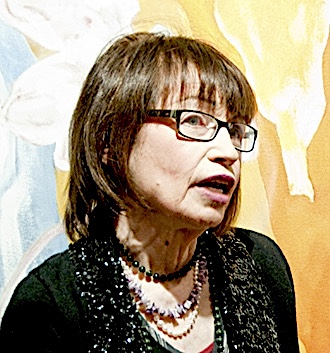
Pioneering Feminist Painter Barbara Coleman was the first in her family to graduate from college. An “only child,” she was born in Manhattan in 1937 to parents who were clerks — her mother for the Board of Education and her father a clerk in the New York Supreme Court. During the mid 1950s, she won an art scholarship to study at Marymount College. Shortly after, she studied under Mark Rothko at Hunter College. However, by 1960 this young graduate had married a young radio personality whose jobs moved them to Hollywood and later Concord, New Hampshire and Bangor, Maine. It was a life she hated, and after five years they divorced. Upon returning to Manhattan, she found a job at the Guggenheim Museum.
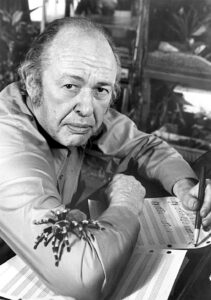
Around this time, she met George Kleinsinger, an Emmy award-winning composer for television and Broadway. In a 1967 interview, he stated, “We soon became a couple and lived together in the Hotel Chelsea where we had a penthouse, 50 tropical animals and about 100 plants. We were an item.” Those animals included a python, a blue racer snake, a large iguana, a large leopard tortoise, a skunk, a colorful toucan, and a group of red-crested cardinals. Coleman’s interest in being part of Kleinsinger’s menagerie only lasted a few years. One reporter noted, “A large caged African bird accompanies Kleinsinger in a raucous voice when he plays the piano. Kleinsinger’s wife no longer lives with him. ‘She got used to the snakes, but she couldn’t stand the birds,’ he said.”1
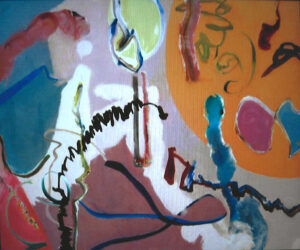
By the late 1960s Coleman was living and working in an abandoned factory space on Mercer Street in SoHo. She was among the new denizens transforming SoHo — pioneering artists attracted to the cheap rents of raw spaces with high ceilings left vacant by the exodus of manufacturers. She was prolific but one of many women faced with repeating the predictably demeaning process of trying to land a gallery to exhibit her works. Undaunted, she joined with two friends — sculptor Lynne Mayocole and painter Audrey Code — and the trio regularly embarked on missions to impress galleries. They came away only with the satisfaction of having had the courage of helping each other. Coleman then settled into a long period of teaching art to elementary school students in Chinatown while privately continuing her own painting in her loft. Fortunately, by the early 1970s she was protected by a new loft law that stabilized rent for artists, thereby allowing her to live and paint there for the rest of her life. Her large loft would thus become the repository of her life’s work.
Despite having remained a fully engaged painter since college, it was not until 1973, at 36, when she finally exhibited her work. That opportunity came about when she joined nineteen other women artists to found one of the earliest feminist cooperative galleries in America — SoHo20.2 Her closest friend was the collective’s oldest member, an accomplished realist figurative painter, Sylvia Sleigh [1916–2010]. Together, they enjoyed two two-person exhibitions that won the praise of Lawrence Alloway, the highly influential curator and critic. Alloway is viewed as the harbinger of post-modern art criticism and appreciated as the first male critic to publicly support the feminist art movement during the early 1970s.
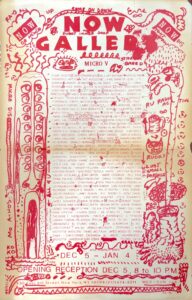
Coleman’s dedication to painting remained undiminished throughout her life, but she remained frustrated that landing an exhibition at a major gallery was increasingly impeded by the art market’s obsessive ageism. During the mid 1980s, she became intrigued by the number of cutting-edge galleries that had blossomed in the nearby East Village. These pioneers were inspired by the “urban primitive” aesthetic of the leading street artists of the movement — Jean-Michel Basquiat, Keith Haring, and Kenny Sharf. Critic John Perrault recalled the scene in his Artopia Art Diary that the “Fueled by the inflated Reagan economy, drugs, sex, ambition, and idealism, for what now seems like one brief moment or a blip on the screen of art history, the East Village was the future of art.” And just when the East Village boom was peaking, Coleman was part of a massive exhibition in December 1985, joining more than 200 artists at the NOW Gallery at 430 East 9th Street. The next year, as she enjoyed her solo exhibition behind the rough-and-tumble graffitied façade of Freddy the Dreamer Gallery at 40 Rivington Street, she was interviewed for the evening news on television.
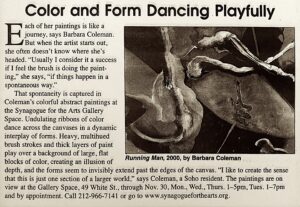
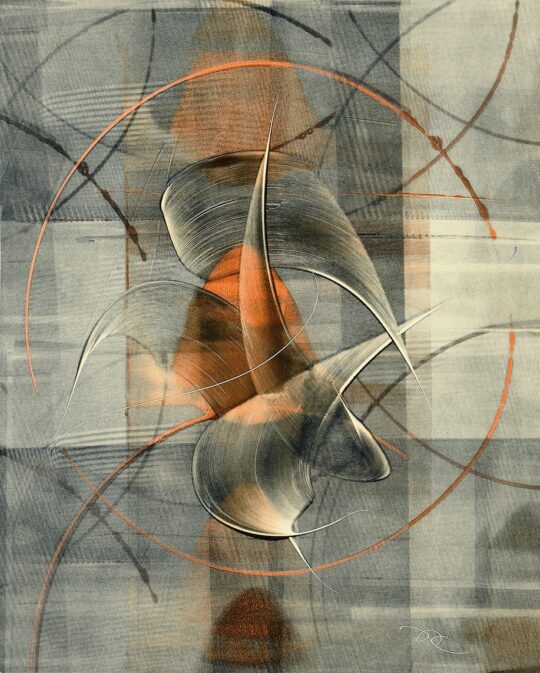
The excitement over the East Village soon faded, in part owing to its top artists having been plucked by the major SoHo galleries — and in the mid 1990s the market began its migration to Chelsea. Coleman redoubled her efforts, tackling even larger format canvases, ranging from seven to twelve feet. Some of these were shown at her 2003 solo at the Synagogue for the Arts Gallery Space on White Street in Tribeca. One reviewer wrote, “Undulating ribbons of color dance across the canvases in a dynamic interplay of forms. Heavy, multi-hued brushstrokes and thick layers of paint over a background of large, flat blocks of color, creating an illusion of depth — and the forms seem to invisibly extend past the edges of the canvas.”3
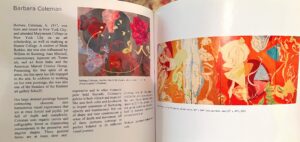
The older Coleman grew, the more she was faced with the harsh reality of the dearth of exhibition opportunities. Fortunately, she found final ratification of her achievements in a new non-profit gallery in Chelsea — Carter Burden Gallery — dedicated to older artists whose work was judged as significant. In 2013, at seventy-six, she was selected as the gallery’s inaugural solo exhibition. At the time, Coleman reflected on her generation, “These are the people who created the New York art movement. They are not the handful of people who became rich and famous.”4 The gallery’s director, Marlena Vaccaro, added “In the broadest sense, our mission is to combat ageism, and there was no better way to do it than to walk in and let a picture say a thousand words.” 5
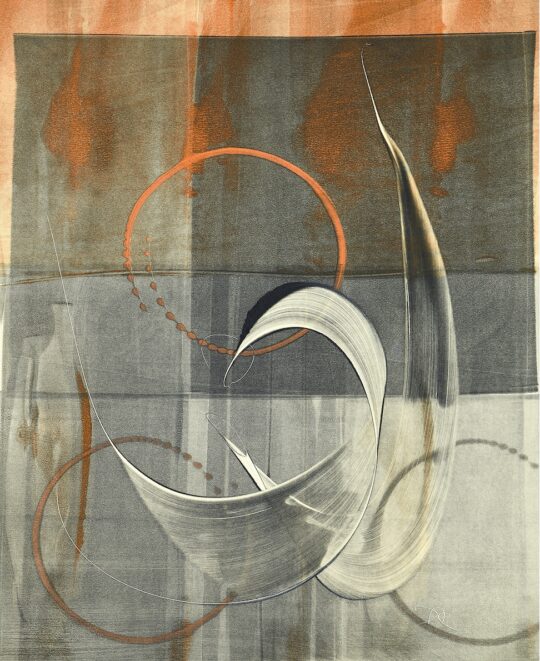
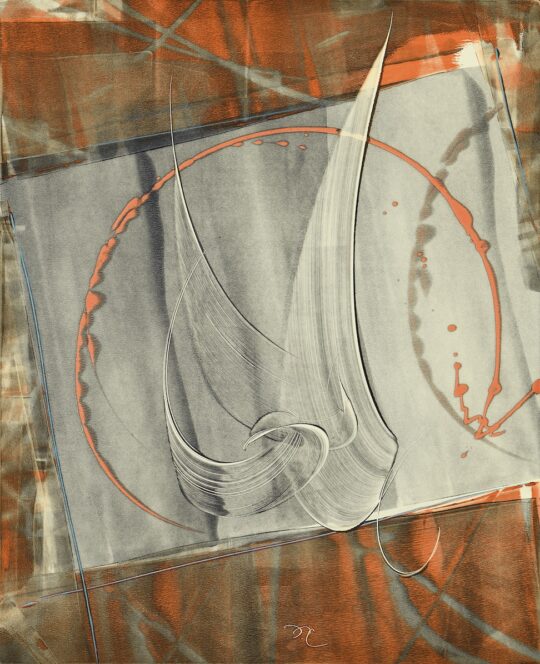
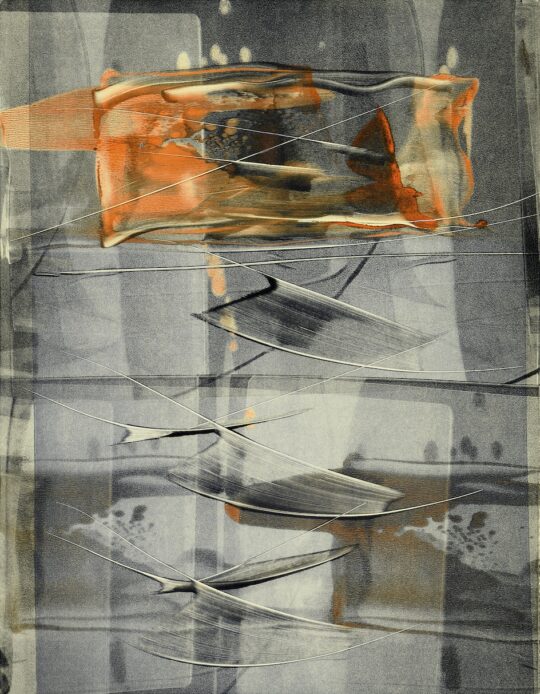
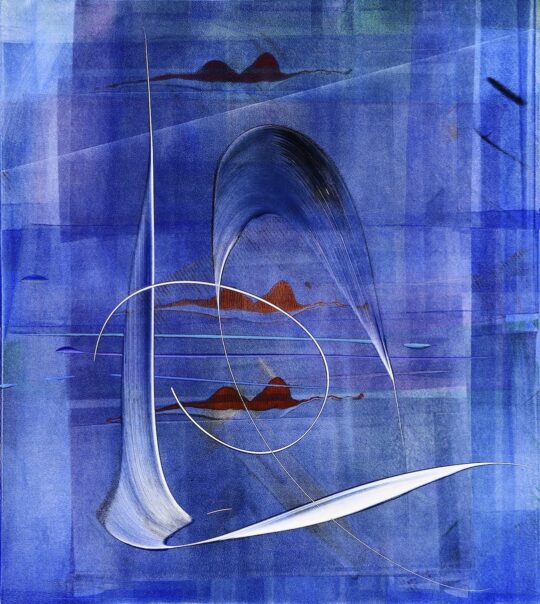
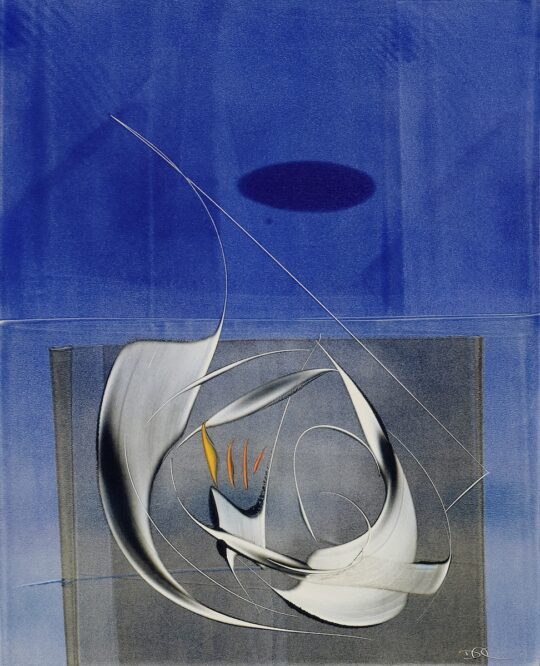
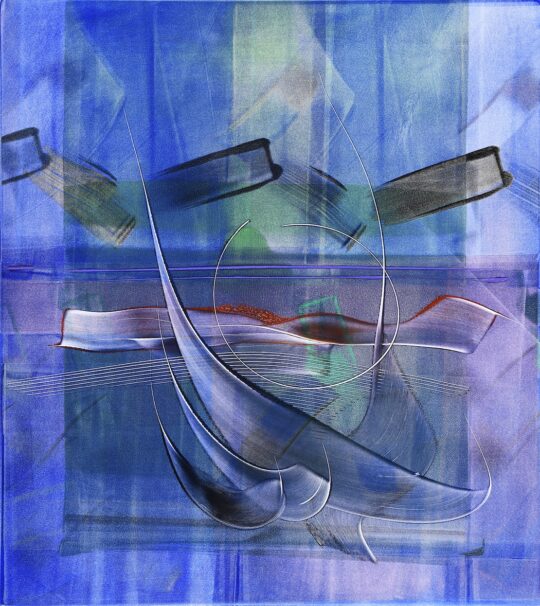
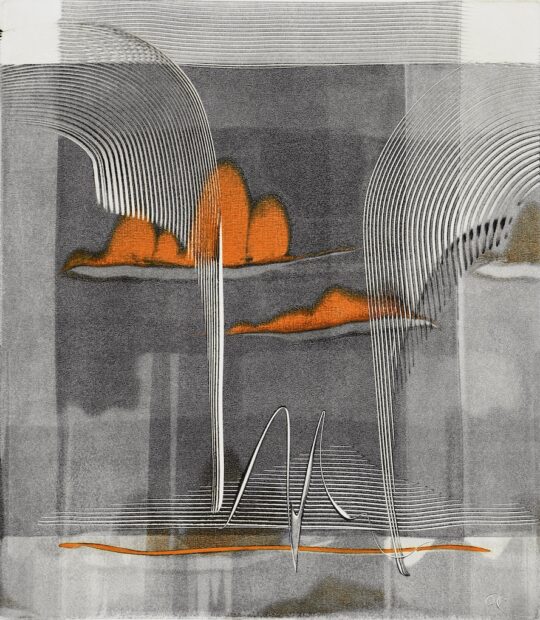
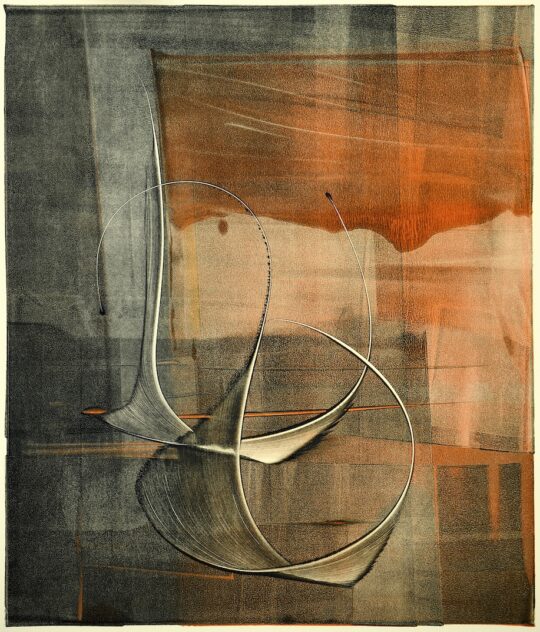
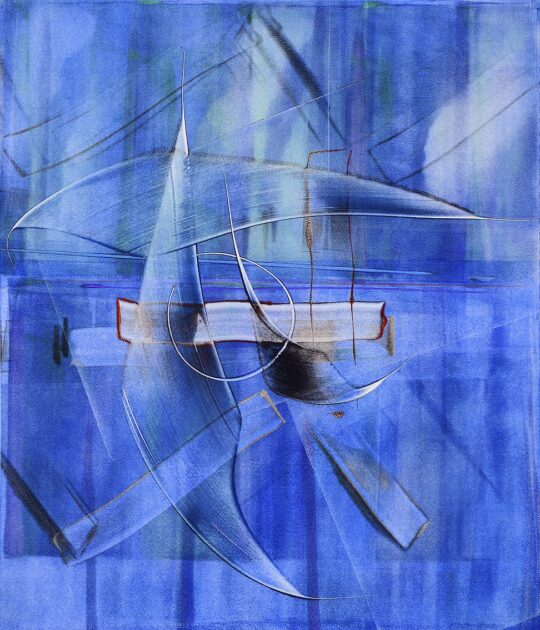
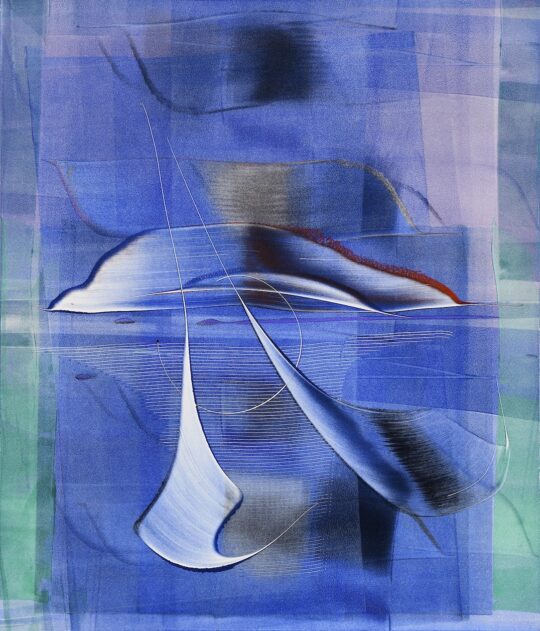
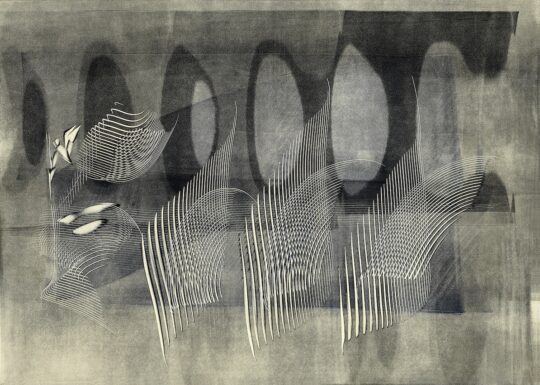
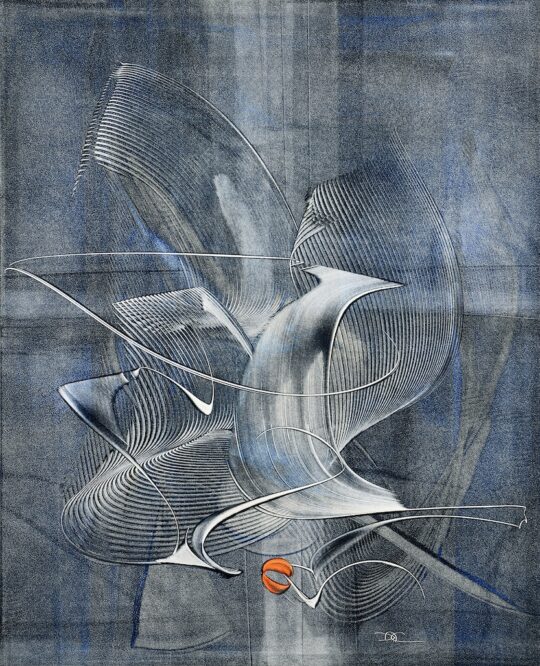
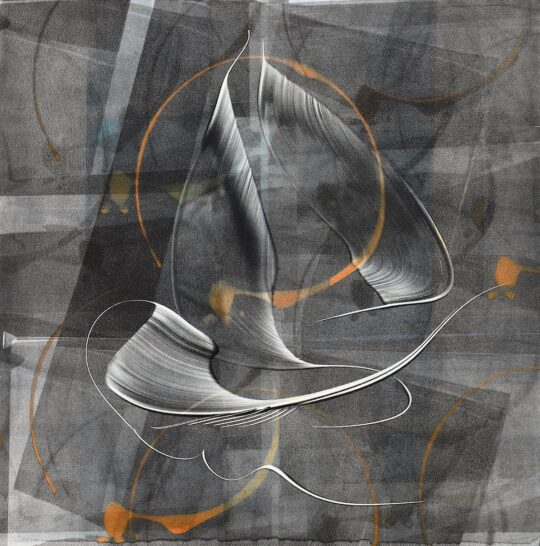
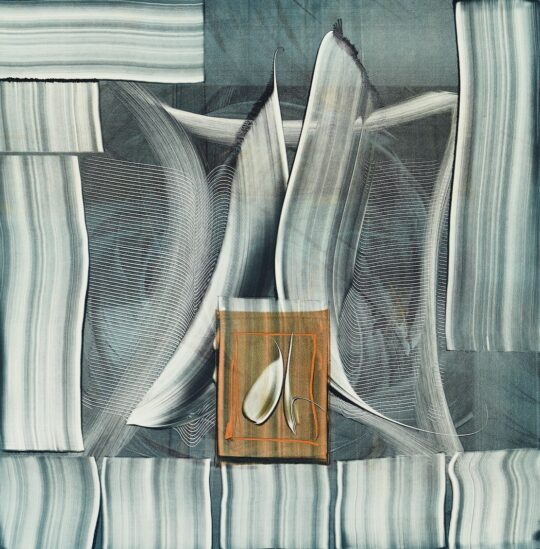
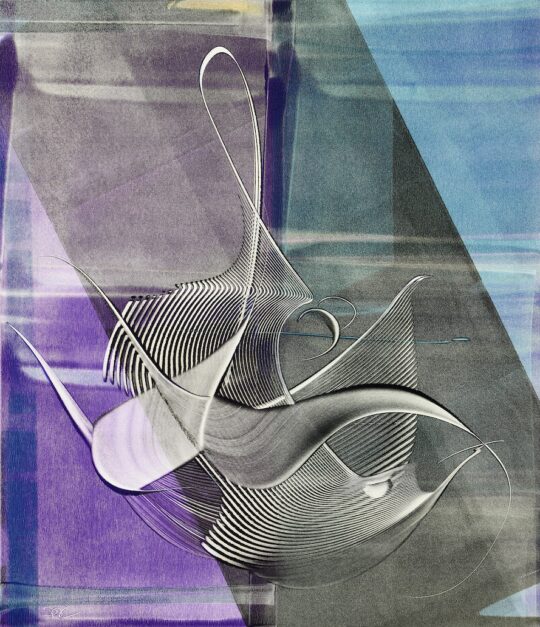
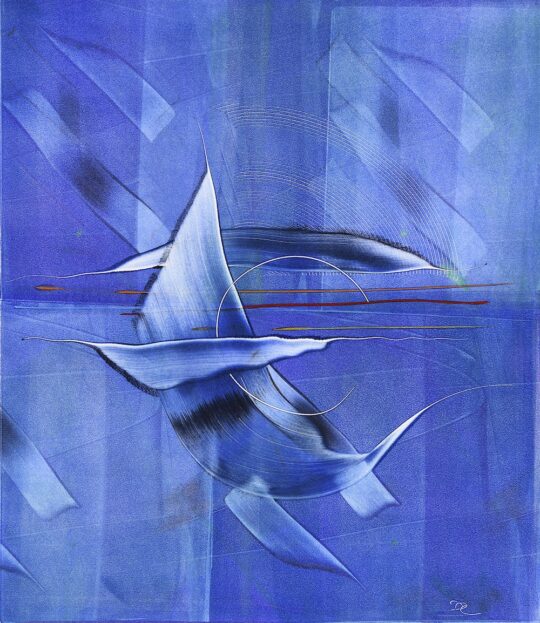
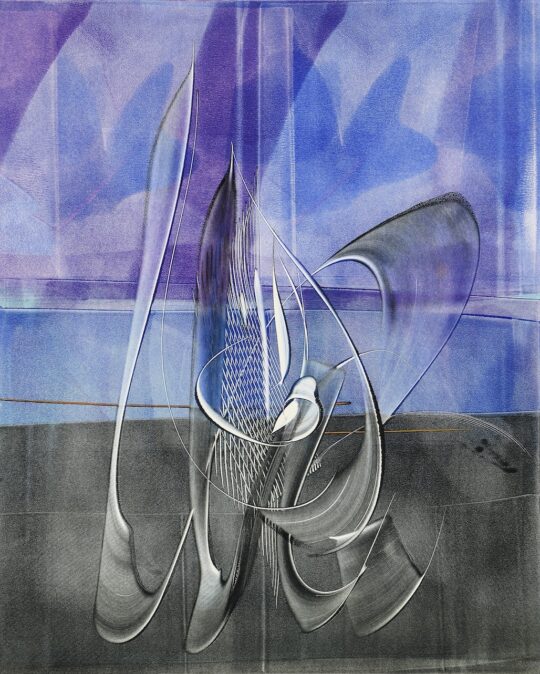
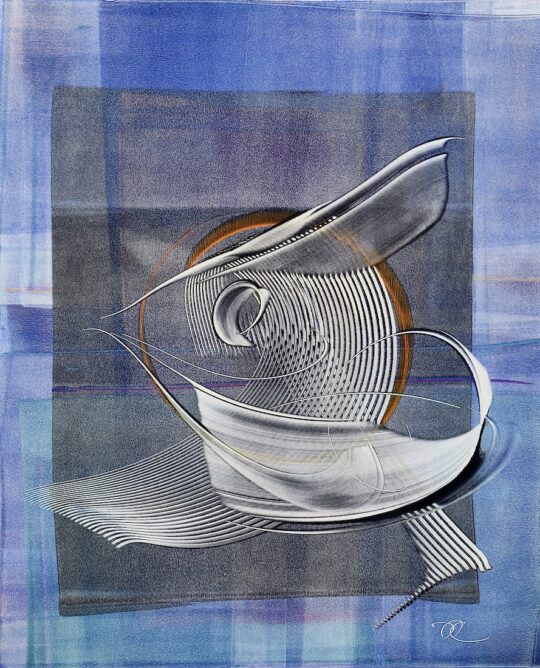
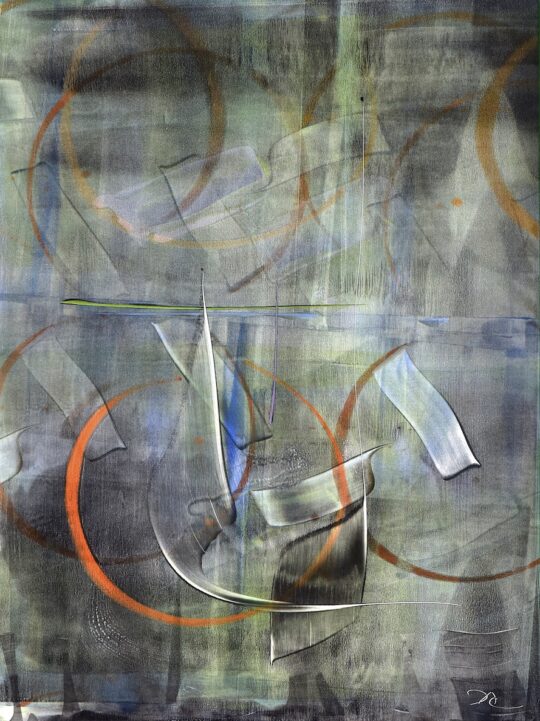
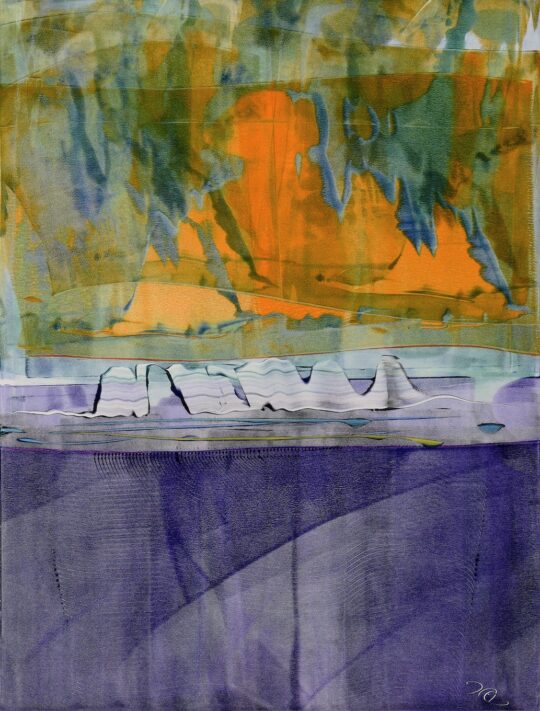
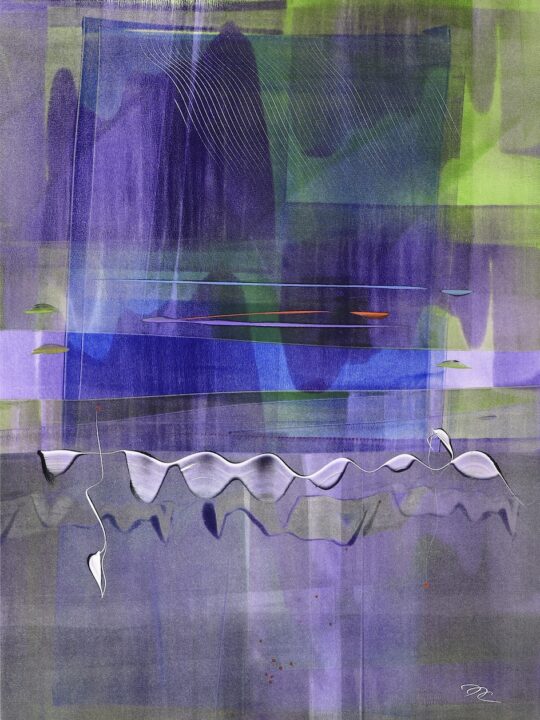
Coleman recalled that her primary influences included Rothko, Willem de Kooning, Joan Mitchell, contemporary Japanese art, and Marvel Comics. In the 2013 exhibition catalogue, “Letting the Light In,” Vaccaro described Coleman’s large abstract paintings as “harnessing contrasting elements into harmonious visual experiences that are at once lyrical and joyful, yet full of depth and complexity. Coleman uses organic curves and calligraphic forms as illuminating counterpoints to the geometric and angular shapes. These gestural forms are at times slow and expressive and in other instances pure bold bravado. Coleman’s palette is both vibrant and nuanced. She uses both color and brushwork to impart sensations of fluctuating opacity and translucency. Her use of shape and tone communicate a sense of depth and movement. All these elements converge in perfect balance in an elaborate visual journey.”6
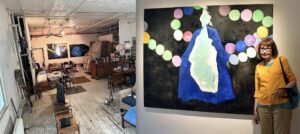
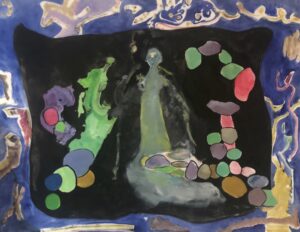
In 2018, Coleman presented “Painted Verse,” her second exhibition at Carter Burden, featuring a series of large canvases entitled Queen of the Night. At once surreal, lyrical, and mythical, these compositions revolve around a central female protagonist in a flowing gown. That this spectral figure appears to be on center stage, surrounded by colorful orbs — or by floating organic, calligraphic, or geometric shapes — alert the viewer to the artist’s alchemical journey. Two of her favorite canvases from the Queen of the Night series hung beside her bed to the very end, standing vigil upon her passing in 2022.
— Peter Hastings Falk
FOOTNOTES
1 Richter, Dorothy. “The Chelsea Has Sheltered Many Unusual Persons,” (The Post-Crescent, 6 Aug 1967, p.14) Note: Contrary to Richter’s assumption, Coleman never formally married Kleinsinger.
2 In 2019, an exhibition commemorating the 45th anniversary of the founding of SoHo20 was curated by Andrew D. Hottle, Professor of Art History at Rowan University. “Women Defining Themselves: The Original Artists of SoHo20” featured a selection of works by the founding artist-members.
3 “Color and Form Dancing Playfully” (unidentified newspaper clipping, Nov 2003)
4 Catton, Pia. “Burden Gallery to Open in Chelsea” (The Wall Street Journal, 29 May 2013)
5 Clark, Roger. “Chelsea Gallery Home To Veteran Artists’ Timeless Works,” (NY1, 11 April 2013)
6 Barbara Coleman, Letting the Light In (New York: Carter Burden Gallery exhibition catalogue, April 11–May 16, 2013)
Barbara Coleman collection
 DETAILS
Orange & Black Series No 1 2019, 22 x 18 inches , 2019
22 x 19 inches (55.88 x 48.26 cm) DETAILS
Contrasting Elements, from the Orange & Black series , 2017
18 x 14 inches (45.72 x 35.56 cm) DETAILS
Orange & Black Series No 24 , 2019
17 x 13 inches (43.18 x 33.02 cm) DETAILS
Like Someone in Love, from the Lazuli series , 2020
21 x 18 inches (53.34 x 45.72 cm) DETAILS
Mondrian’s Muse, from the Blue Book series , 2026
22 x 18 inches (55.88 x 45.72 cm) DETAILS
All the Things You Are, from the Lazuli series , 2020
21 x 18 inches (53.34 x 45.72 cm) DETAILS
Nervana IV, from the Orange & Black series , 2017
18 x 16 inches (45.72 x 40.64 cm) DETAILS
Orange & Black No 51 , 2019
17 x 15 inches (43.18 x 38.1 cm) DETAILS
Ying Quartet, Opus 2, from the Orange & Black series , 2017
22 x 19 inches (55.88 x 48.26 cm) DETAILS
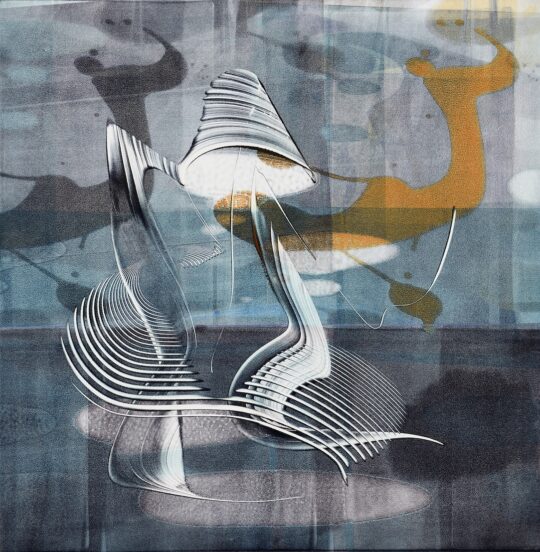
My Romance, Take 2, from the Lazuli series , 2020
21 x 18 inches (53.34 x 45.72 cm) DETAILS
Almost Like Being in Love, from the Lazuli series , 2020
21 x 18 inches (53.34 x 45.72 cm) DETAILS
Time After Time, Take 5, from the Lazuli series , 2020
21 x 18 inches (53.34 x 45.72 cm) DETAILS
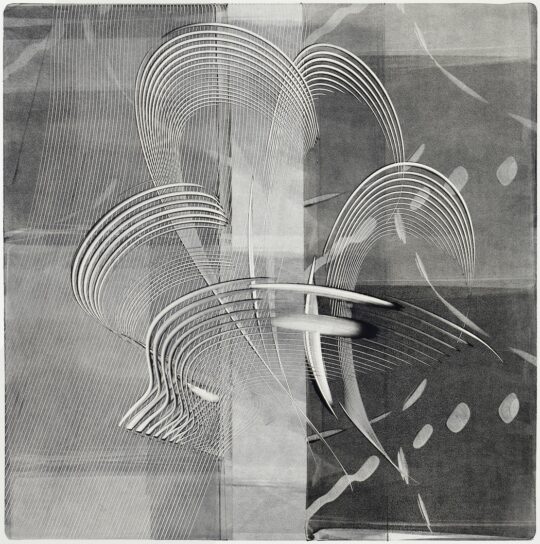
Quartet for Strings, from the Black & White series , 2008
15.8 x 17.6 inches (40.13 x 44.7 cm) DETAILS
Blues Quartet in D, from the Black & White series , 2008
15.5 x 17 inches (39.37 x 43.18 cm)- DETAILS
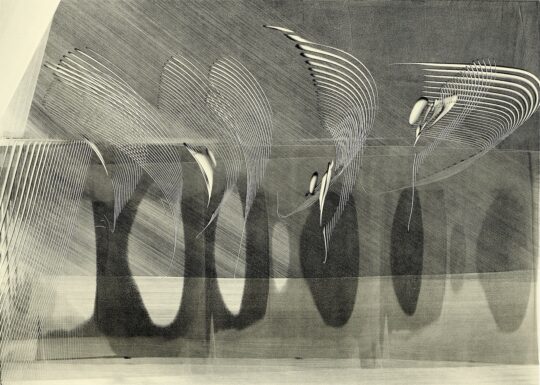
Strings Quartet, Opus 23, from the Black & White series , 2008
17.5 x 26 inches (44.45 x 66.04 cm)  DETAILS
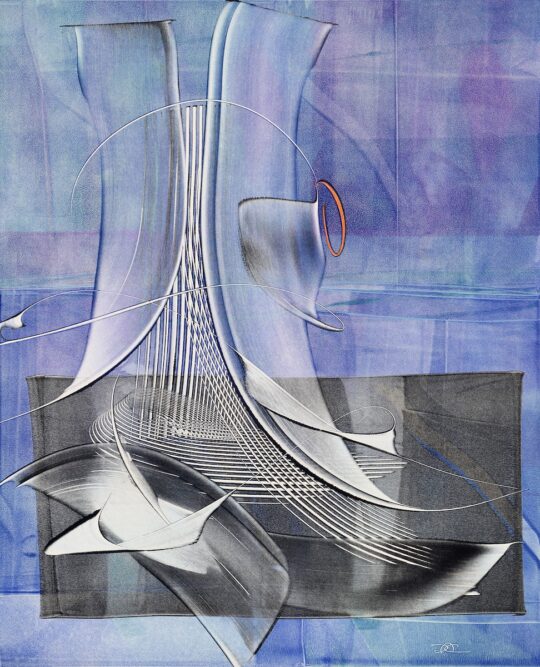
Homage to Thelonius, from the Blue Book series , 2016
22 x 18 inches (55.88 x 45.72 cm) DETAILS
Homage to Tom Waits, from the Jazz series , 2012
18 x 18 inches (45.72 x 45.72 cm)- DETAILS
Perfect Strum, from the Blue Book series , 2016
22 x 18 inches (55.88 x 45.72 cm)  DETAILS
Trio for Astor (Macungie), from the Jazz series , 2012
18 x 18 inches (45.72 x 45.72 cm) DETAILS
Duet for Twins , from the Jazz series , 2011
18 x 18 inches (45.72 x 45.72 cm) DETAILS
Ode to a G-String, from the Blue Book series , 2016
22 x 18 inches (55.88 x 45.72 cm) DETAILS
Stardust, from the Lazuli series , 2020
21 x 18 inches (53.34 x 45.72 cm) DETAILS
The Blender Quartet, from the Blue Book series , 2016
22 x 18 inches (55.88 x 45.72 cm) DETAILS
Pardon Dali, from the Blue Book series , 2016
21 x 18 inches (53.34 x 45.72 cm) DETAILS
Morning Rain in A minor, from the 25+ series , 2025
23.7 x 17.5 inches (60.2 x 44.45 cm) DETAILS
Under the Rainbow, from the 25+ series , 2025
23.5 x 17.4 inches (59.69 x 44.2 cm) DETAILS
Pas de deux en milieu, from the 25+ series , 2025
23 x 17 inches (58.42 x 43.18 cm)- DETAILS
Almost Like Being in Love, from the Lazuli series , 2020
21 x 18 inches (53.34 x 45.72 cm)